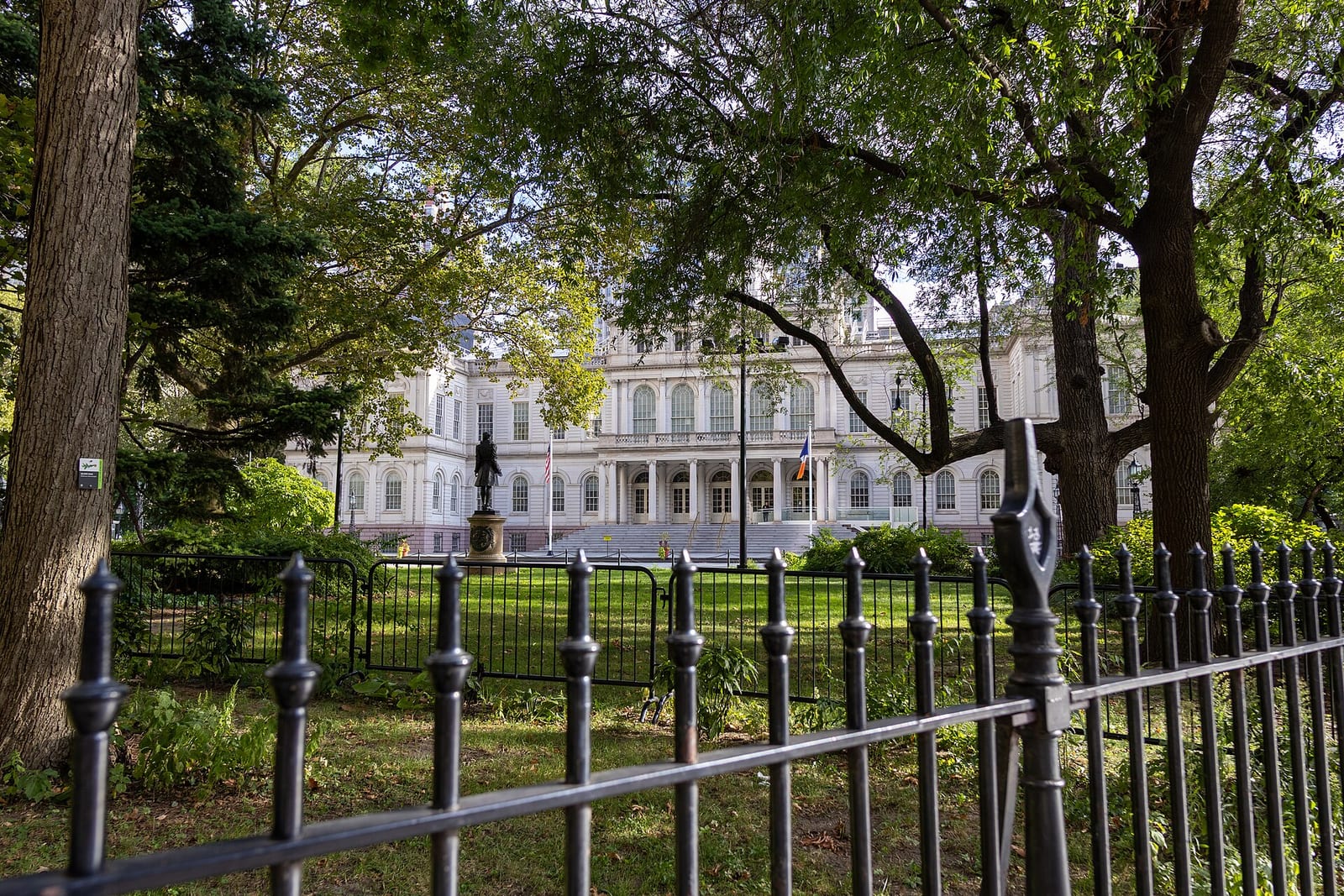
Mayor Zohran Mamdani released a $124.7 billion executive budget for fiscal year 2027 on May 12, 2026, the first full spending plan of his administration and the document against which his campaign promises will be measured. The mayor’s central claim: the budget is balanced, closes a roughly $12 billion gap he attributes to his predecessor, and does so without raising property taxes, cutting services, or drawing down the city’s reserves.
Closing the gap
Mamdani has described the inherited shortfall as the largest the city has faced since the Great Recession. His budget office says it eliminated that gap through a combination of agency savings, new and anticipated revenue, and a budget partnership with Albany — not by tapping the Rainy Day Fund or the Retiree Health Benefit Trust, the two reserves City Hall typically guards. State Comptroller Thomas DiNapoli and city fiscal monitors had flagged out-year risks in the February preliminary budget; the executive plan is the administration’s answer.
The headline figure of $124.7 billion is up from the preliminary plan released in February and reflects both new investments and a clearer revenue picture after the state budget was finalized in Albany.
What got funded
The budget protects and expands several of the priorities Mamdani ran on, even as the most expensive ones move slowly.
Childcare. Mamdani and Governor Kathy Hochul announced a roughly $1.2 billion investment to extend free 3-K and pre-K and, for the first time in city history, to begin covering 2-year-olds. The budget also dedicates funds to raise contract rates for childcare providers and launches “Little Apple,” a childcare pilot for municipal workers.
Public safety, housing, and services. The administration says the plan increases investment in housing, NYCHA, libraries, parks, and mental health services, alongside public safety — a portfolio Mamdani has used to rebut critics who predicted austerity or a retreat from core services.
The grocery pilot. Mamdani’s proposal for city-run grocery stores survives but stays modest: five stores by the end of his term, with the first projected to cost more than $30 million and open around 2029, selling a limited basket of staples at below-market prices.
What slipped
The clearest deferral is fare-free buses. Mamdani has acknowledged his plan to make all city buses free will not happen in 2026. The budget instead steers money toward bus infrastructure, raising the Department of Transportation’s Streets Plan funding to nearly $35 million in FY2027 and onto a path toward $65 million by FY2030 for new bus lanes, busways, and bike lanes — a down payment on faster buses rather than free ones.
That sequencing — infrastructure now, free fares later — has drawn criticism from both directions. Supporters note the fare-free pledge always depended on sustained state cooperation, since the MTA, not the city, runs the buses. Skeptics see a signature promise quietly pushed past its first budget.
The politics of “no cuts”
The “balanced budget without cuts” framing is itself the political message. Mamdani, a democratic socialist who took office January 1, 2026, campaigned against the austerity rhetoric that has shaped recent city budgets. Closing a multibillion-dollar gap without service reductions, layoffs, or a reserve raid is the proof point his administration wants on the record in year one.
The executive budget is not the final word. It opens formal negotiations with the City Council, where Speaker Julie Menin’s members will press their own priorities — childcare pay, home care, small-business fine relief — before a budget must be adopted ahead of the July 1 fiscal-year start. The gap between the mayor’s plan and the adopted budget will be the next political story.
Verification
- Mamdani released a $124.7 billion FY2027 executive budget on May 12, 2026 — https://www.nyc.gov/mayors-office/news/2026/05/mayor-zohran-mamdani-releases—124-7-billion-executive-budget-fo
- Budget closes a roughly $12 billion gap without raising property taxes or tapping reserves; “balanced budget without cuts” framing — https://prospect.org/2026/05/12/mamdani-announces-balanced-budget-without-cuts/
- Free buses will not happen in 2026; Streets Plan funding rises to ~$35M in FY2027 toward ~$65M by FY2030 — https://thenationaldesk.com/news/americas-news-now/new-york-city-mayor-mamdani-says-his-plan-for-free-buses-wont-happen-in-2026-2028-president-socialist ; https://www.amny.com/news/nyc-budget-mamdani-funding-bus-bike-lanes/
- ~$1.2 billion childcare investment with Hochul (3-K, pre-K, 2-year-olds); grocery pilot of five stores, first ~$30M+, opening ~2029 — https://www.cssny.org/news/entry/mamdanis-strong-moves-on-child-care-campaign-promise ; https://www.cityandstateny.com/politics/2026/05/mamdani-proposes-1247b-executive-budget-no-gap/413486/
- State Comptroller DiNapoli statement on the FY2027 preliminary budget — https://www.osc.ny.gov/press/releases/2026/02/statement-new-york-state-comptroller-dinapoli-new-york-citys-fiscal-year-2027-preliminary-budget
Frequently Asked Questions
- How big is Mamdani's first budget and what does it close?
- The FY2027 executive budget totals $124.7 billion. Mamdani says it eliminates a roughly $12 billion projected gap he attributes to the Adams administration — the largest since the Great Recession — without raising property taxes, cutting services, or drawing down the Rainy Day Fund or Retiree Health Benefit Trust.
- Did Mamdani fund free buses in this budget?
- No. The mayor has said his fare-free bus plan will not happen in 2026. Instead the budget raises DOT Streets Plan funding to nearly $35 million in FY2027, rising toward $65 million by FY2030, for new bus and bike lanes.
- What about universal childcare and the public grocery stores?
- Mamdani and Governor Hochul announced a roughly $1.2 billion investment to extend free 3-K and pre-K and, for the first time, 2-year-olds. The city-run grocery pilot remains funded but small — five stores by the end of his term, with the first projected to cost more than $30 million and open around 2029.
- What happens after the executive budget?
- The executive budget opens negotiations with the City Council under Speaker Julie Menin. The Council and mayor must adopt a final budget before the July 1 start of the fiscal year.