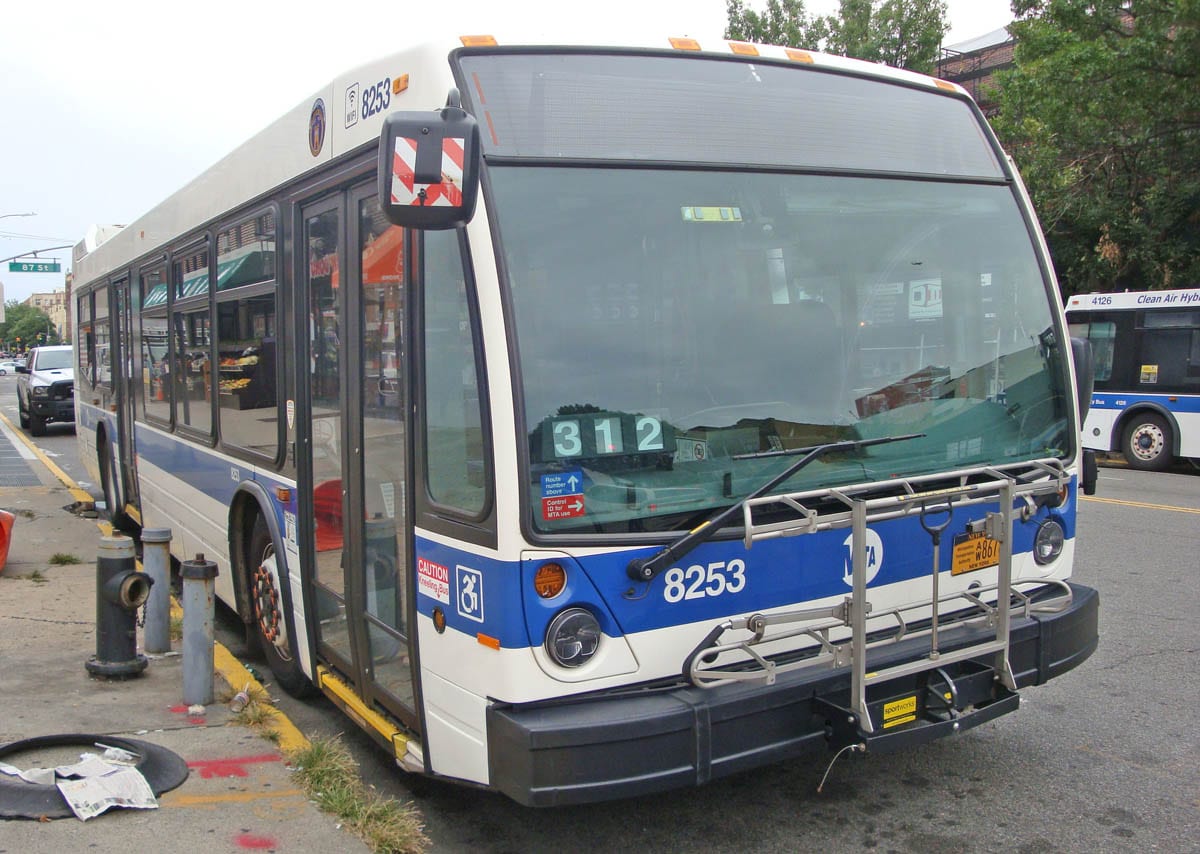
The MTA completed the Queens Bus Network Redesign on Sunday, Aug. 31, 2025, finishing what the authority calls the largest bus network overhaul in the country and the first time it has rebuilt an entire borough’s local and express bus service at once.
The final changes took effect Aug. 31 — and Tuesday, Sept. 2 for routes that don’t operate on Sundays — capping a two-phase rollout that began on June 29, 2025. Nearly every route in the borough was touched.
What changed
Queens’ bus map was roughly 70 years old, built around mid-century travel patterns that no longer match where people live and work. The redesign aimed to straighten meandering routes, widen the spacing between stops so buses make fewer halts, and concentrate service on corridors with the most demand.
The result is a network of 124 routes — 94 local and 30 express — up from 113 before the project. The rollout came in two waves:
- Phase One (June 29): about two-thirds of the changes — 16 new routes launched, 67 routes changed, and five were discontinued.
- Phase Two (Aug. 31): one new route launched, 37 routes changed, and one was discontinued.
The MTA says the rebuilt system serves more than 800,000 daily riders and is designed to deliver more reliable service, faster trips, shorter waits and better connections to the subway and commuter rail.
A bumpy but watched rollout
Boroughwide redesigns are disruptive by nature — bus stops move, familiar routes vanish or get renumbered, and riders have to relearn their commute. The MTA ran pop-up events across Queens ahead of each phase and staffed key stops to steer confused riders, a response to complaints that earlier redesigns in the Bronx and the express-bus network had launched with too little notice.
Queens is the proving ground for a citywide effort. The MTA has already redesigned the Bronx (2022) and Staten Island express network, and Brooklyn’s far larger redesign is in the pipeline. Transit planners nationally are watching Queens to see whether a ground-up redesign actually raises ridership and bus speeds rather than simply reshuffling the map.
Why it matters
Buses are the transit mode of last resort for many outer-borough neighborhoods with no nearby subway, and Queens — geographically the largest borough — has long had some of the slowest buses in the city. Whether the redesign delivers measurable gains in speed and reliability will shape how aggressively the MTA pursues the same surgery in Brooklyn and beyond.
Verification
- Queens Bus Network Redesign fully implemented Aug. 31, 2025; largest in the country; 124 routes — mta.info press release
- Reminder of Aug. 31 full-implementation date and two-phase plan — mta.info
- Phase One launch June 29, 2025 — mta.info
- 800,000+ daily riders; 70-year-old network; goals of the redesign — Mass Transit
- Project background and route changes — Queens Bus Network Redesign project page
Frequently Asked Questions
- When did the Queens bus redesign take effect?
- The final phase took effect Sunday, Aug. 31, 2025 (Tuesday, Sept. 2 for routes that don't run on Sundays), completing a two-phase rollout that began June 29, 2025.
- How many bus routes are in the new network?
- 124 routes total — 94 local and 30 express — up from 113 before the redesign.
- Why did the MTA redo the Queens network?
- Queens' bus map was roughly 70 years old and built around outdated travel patterns. The redesign aims for straighter, more direct routes, better bus-stop spacing, more frequent service and faster trips.
- How many people ride Queens buses?
- More than 800,000 daily riders, making Queens the MTA's busiest borough for local bus service.